
How we can help
Any scope or scale
Planned servicing is available for smaller commercial operators, not just big fleets.
Records that stay useful
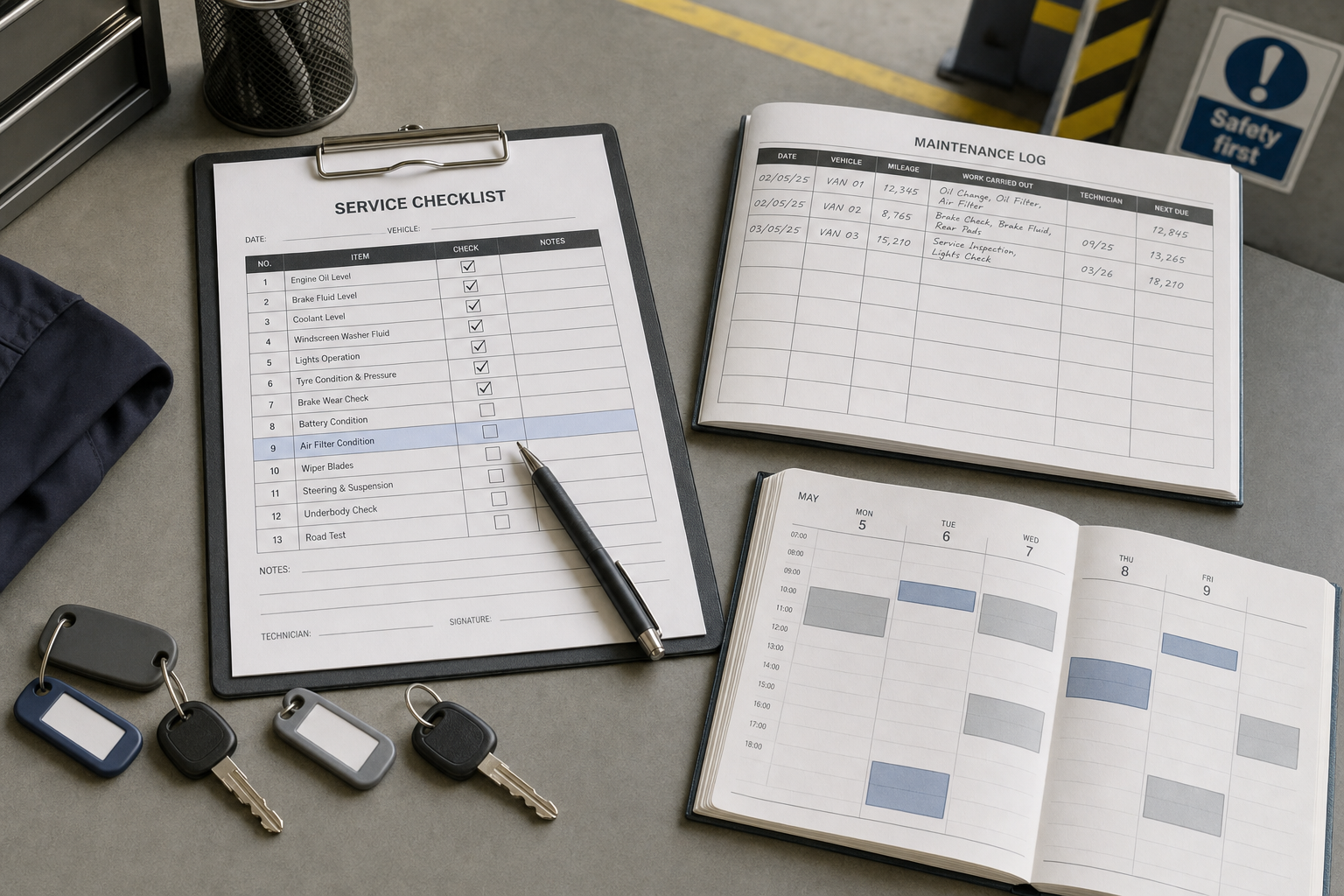
Maintenance can be organised vehicle by vehicle for easier planning and follow-up.
Downtime risks highlighted
Urgent defects are separated from future items before they disrupt business use.
Planned servicing for smaller commercial fleets
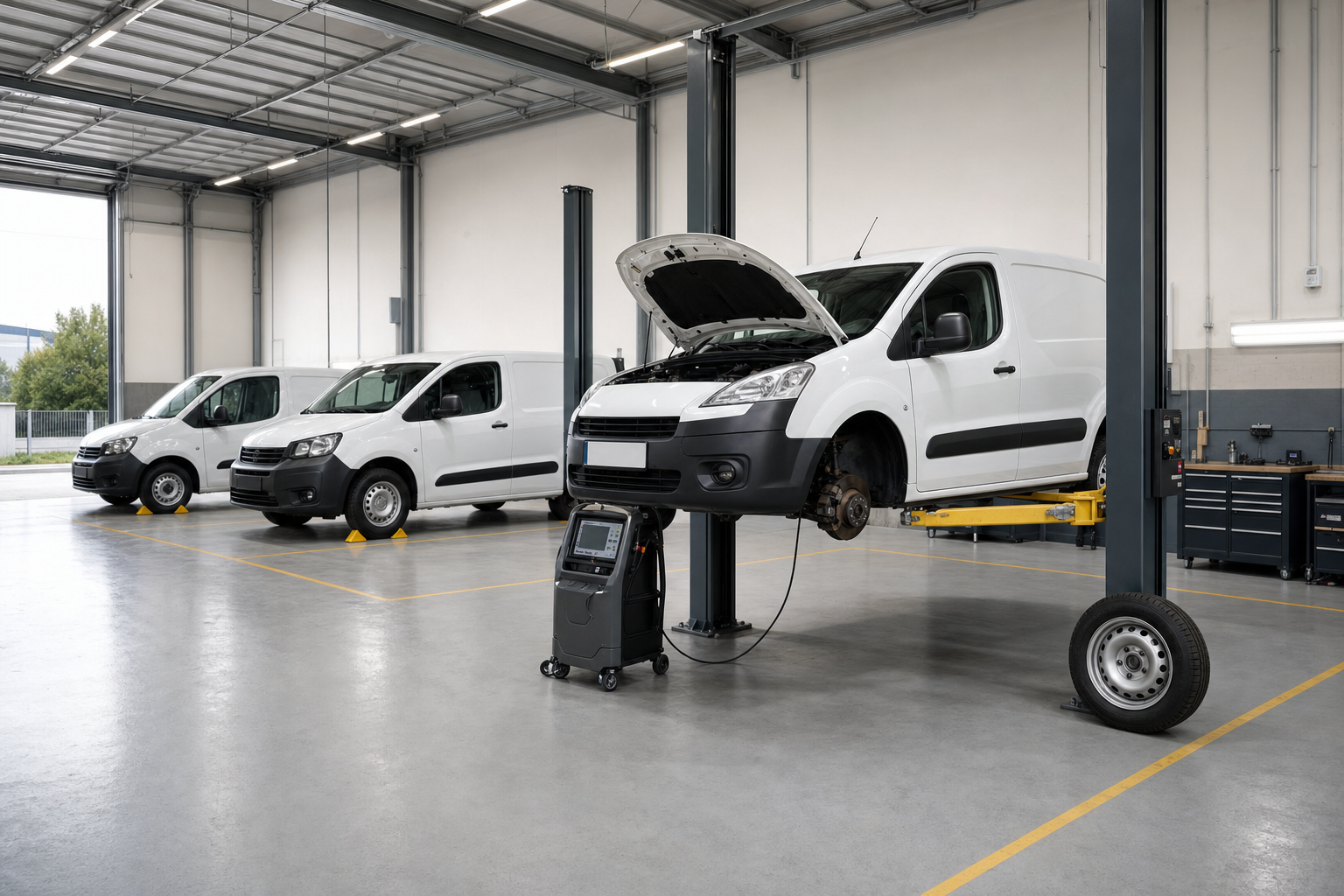
When you run a small fleet, one missed service can turn into a bigger problem than one off-the-road vehicle. Planned fleet servicing helps keep maintenance consistent, spots wear earlier and gives you a clearer view of what each vehicle needs next. We support small commercial fleets with servicing that takes mileage, operating pattern and the role of each vehicle into account. With Falcon Vehicle Services in Tredegar, the aim is not to make fleet care complicated. It is to keep records useful and workshop time organised.
That makes a real difference when several vehicles are working at different rates but all need dependable upkeep.
Clear records make the next decision easier
Some vehicles in a fleet will mainly need routine servicing. Others will have safety-related wear or defects that could interrupt business use if they are left too long. We separate those priorities, so urgent findings are obvious and future items are recorded against the right vehicle.
Because we already support commercial customers and Transit operators, we understand why clear maintenance information matters. Good fleet servicing is not just about what is done today. It is also about making the next service, repair or inspection easier to plan.
Frequently asked questions
Is fleet servicing only for large businesses?
No. Small commercial fleets can benefit just as much from planned servicing, especially when different vehicles are covering different mileages. Keeping maintenance organised early often makes it easier to avoid missed work and uneven upkeep later.
Can servicing be tracked per vehicle?
Yes. We can keep maintenance information organised per vehicle, which helps when you need to know what has been done, what is due next and which issues need following up. That clarity is especially useful when more than one driver uses the fleet.
How do you prioritise problems across a fleet?
We highlight safety-related defects and issues that could interrupt business use first, then separate items that can be planned into later visits. That gives you a clearer order for action instead of a mixed list that is hard to work through.