
What makes mechanical repairs more reliable
Root cause first
We trace the fault before deciding which repair path actually fits the problem.
Cross-system thinking
Useful when symptoms overlap engine, cooling, drivetrain or related parts.
Checked after repair
Functional checks help confirm the repaired fault has truly been put right.
Mechanical faults rarely stay neatly in one box
Knocking, overheating, vibration, poor starting and fluid loss can all point to deeper mechanical trouble, but they do not always point to just one system. That is why mechanical repairs begin with finding the root cause, not jumping straight to the first part that seems likely. We inspect the vehicle, work out which system is affected and check the connected components that may have been worn or damaged along with it. With Falcon Vehicle Services, that broader approach helps when a fault crosses from engine to cooling, or from drivetrain to another mechanical area.
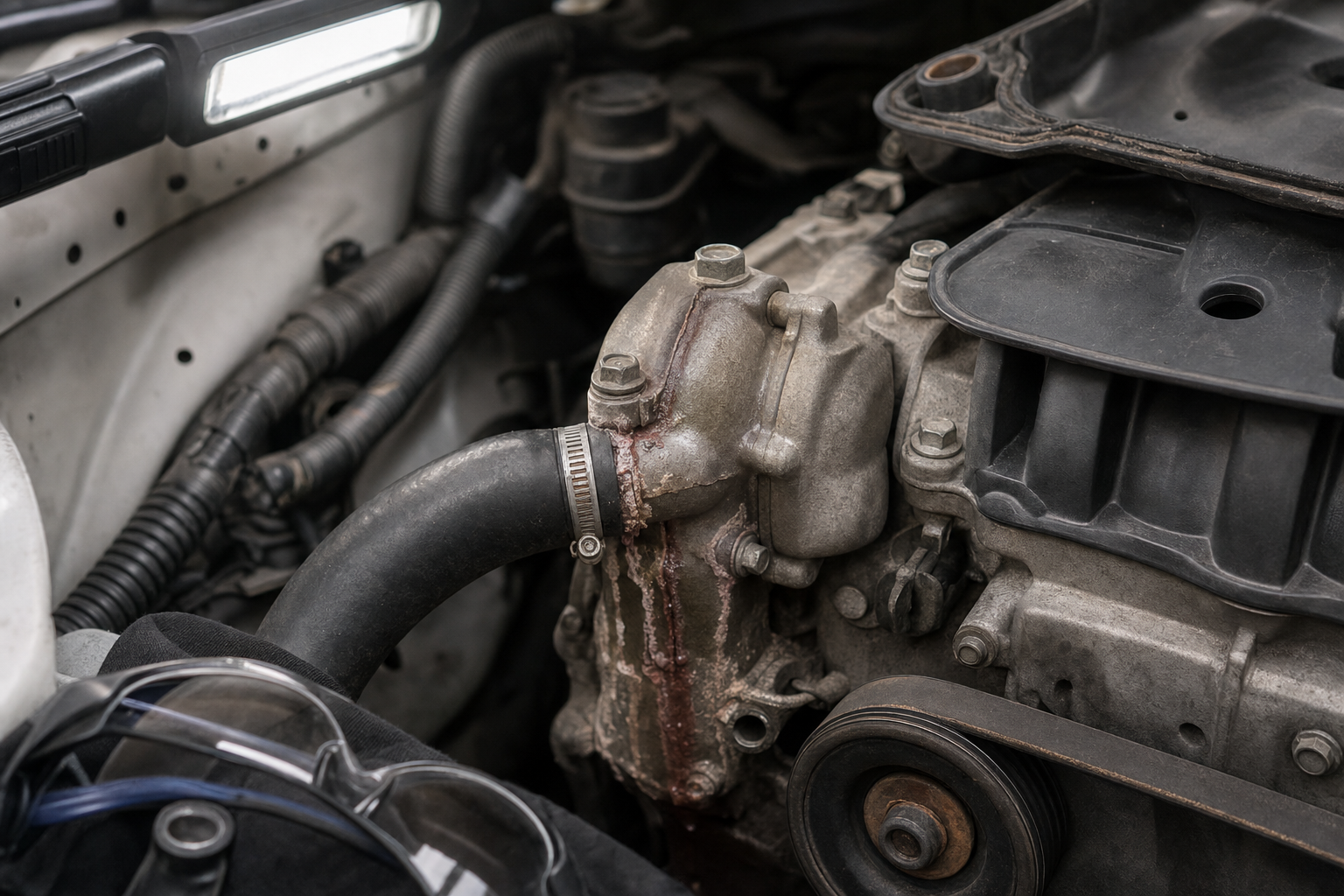
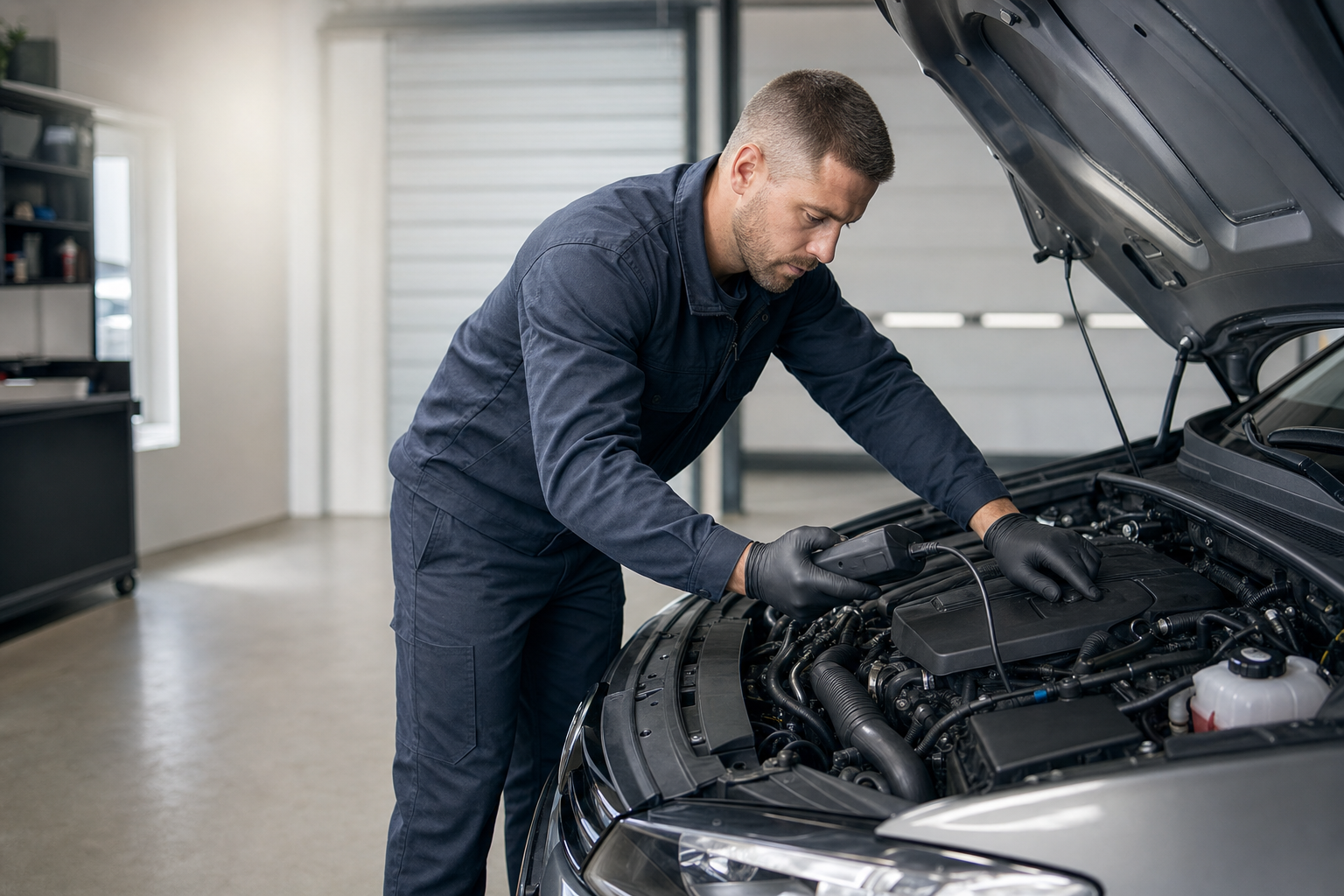
Diagnosis first, repair second, checks after
The repair decision depends on the condition of the failed part, the surrounding components, fluid condition and the effect continued use could have on the vehicle. We take you from inspection and diagnosis through to the repair itself and the checks that confirm the problem has been put right.
Broad mechanical capability matters because some faults do not stay in neat boxes. We explain what we have found in plain language, then carry out the work needed to restore proper function and help prevent related damage from being missed.
Frequently asked questions
What counts as a mechanical repair?
Mechanical repairs cover faults involving the working parts of the vehicle, from engine and cooling issues to drivetrain problems and other system failures. We inspect the symptom properly first because a knock, leak or vibration can have more than one possible cause.
Do you diagnose the fault before repairing it?
Yes. Diagnosis is the starting point, especially when the symptom could come from more than one area. We identify the affected system, check related components and then plan the repair around the fault we have actually found rather than the one we guessed at.
Why do related parts matter in a mechanical fault?
A failed part is not always the whole story. Connected components, fluid condition and the effects of continued use can all change the right repair route. Looking at the wider picture helps us avoid missing damage that would otherwise shorten the life of the fix.