
Why proper diagnostics save time
Accurate readings
Electronic readings are backed up by symptom assessment and workshop inspection.
Comprehensive checks
Interpreting the data first helps avoid swapping parts without good reason.
Clearer next steps
You get a more useful plan for repair and related maintenance after diagnosis.
Useful answers for any vehicle issue
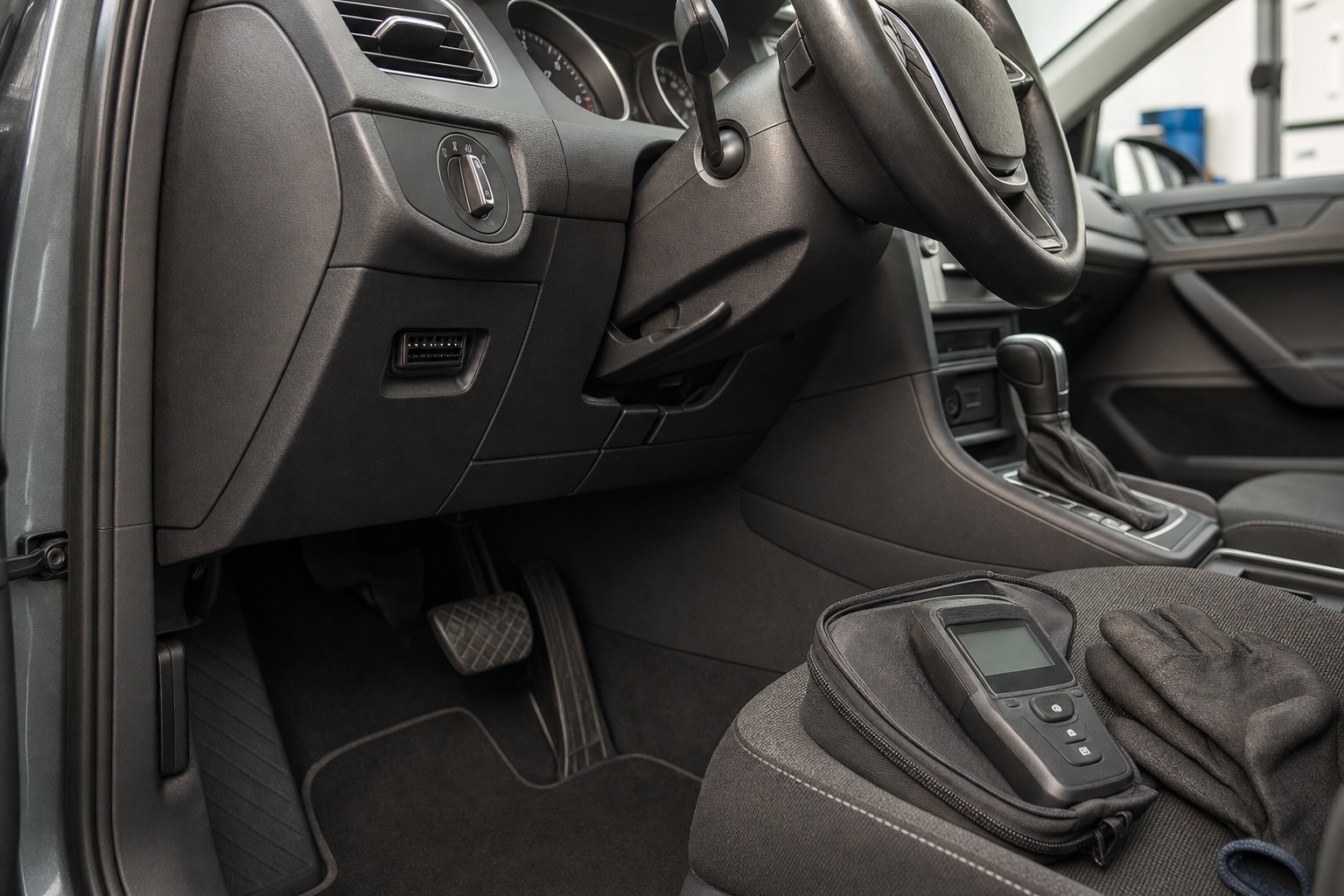
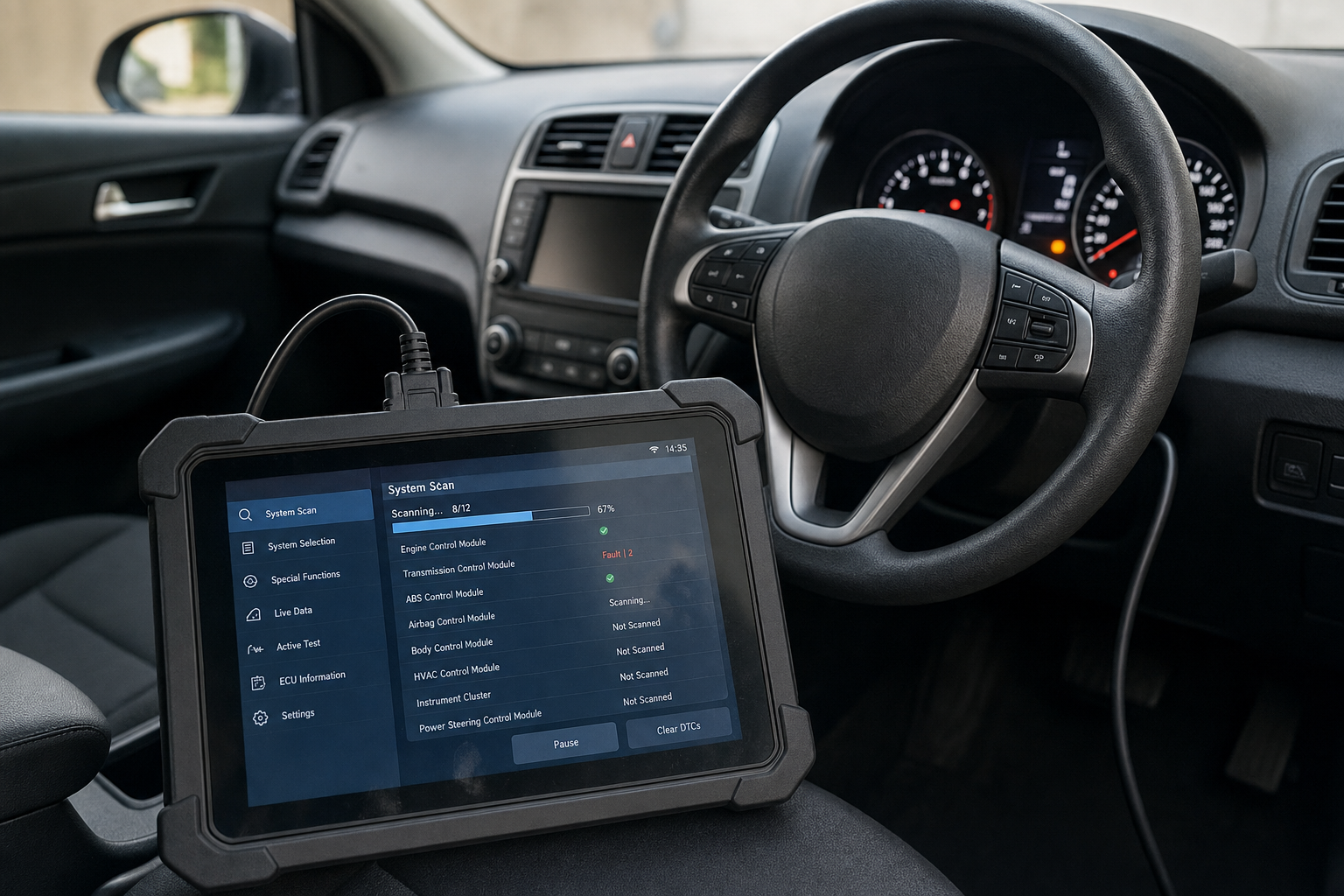
A warning light on the dash can mean anything from a minor sensor issue to a fault that changes how the engine runs. When your vehicle is losing power, struggling to start, idling badly or behaving differently for no clear reason, diagnostics help us trace the problem instead of guessing at it. We use electronic fault information alongside real-world symptom checks and physical inspection, because fault codes on their own do not tell the whole story. That matters when you need an answer you can act on, not a list of possibilities and a bigger bill from changing the wrong part.
More than a quick code read
The most useful diagnostic work starts with what you have noticed. Tell us when the fault happens, what warning messages you have seen, and whether any recent repairs or maintenance came before it. A booking with Falcon Vehicle Services lets us line that information up with the data we read from the vehicle and the checks we carry out in the workshop.
Once we narrow the issue down, we can explain the immediate fault, the work needed to fix it, and any related maintenance needs that showed up during inspection. That gives you a much clearer next step than simply clearing a light and hoping for the best.
Frequently asked questions
Will a fault-code scan tell you the exact problem?
Not by itself. Fault codes give us useful clues, but they still need interpreting alongside the way the vehicle behaves and what we find during physical checks. That is how we avoid treating the code like a verdict and missing the real cause behind it.
What information should I give before diagnostics?
Tell us when the fault happens, what warning lights or messages you have seen, whether starting or power changes are involved, and if any recent repairs came before the problem started. Those details help us narrow the investigation much faster.
Can diagnostics reveal other maintenance issues?
Yes, they can. While tracing the main fault, we may spot related wear or maintenance needs that affect how the vehicle runs. We explain which issue is the immediate cause and which findings are separate jobs to plan for later.